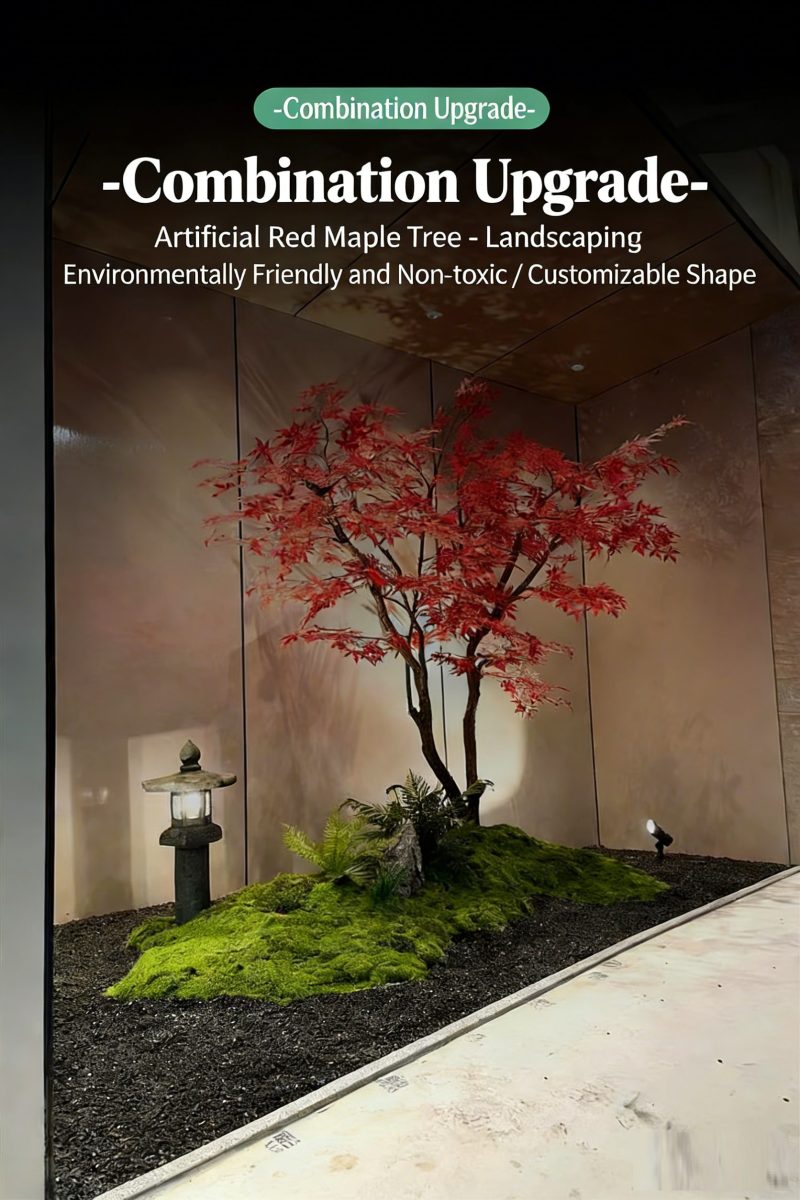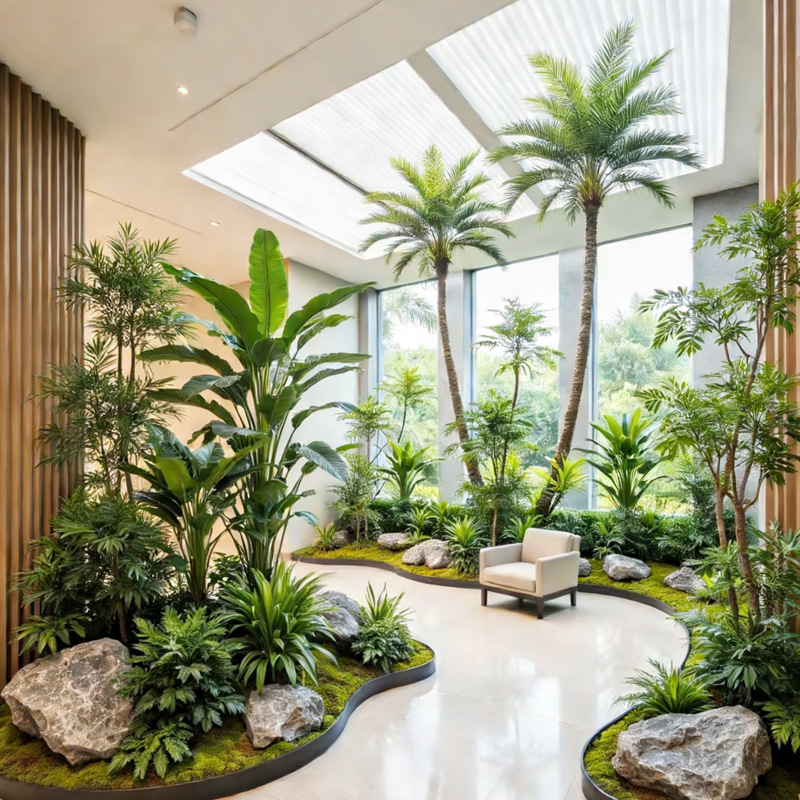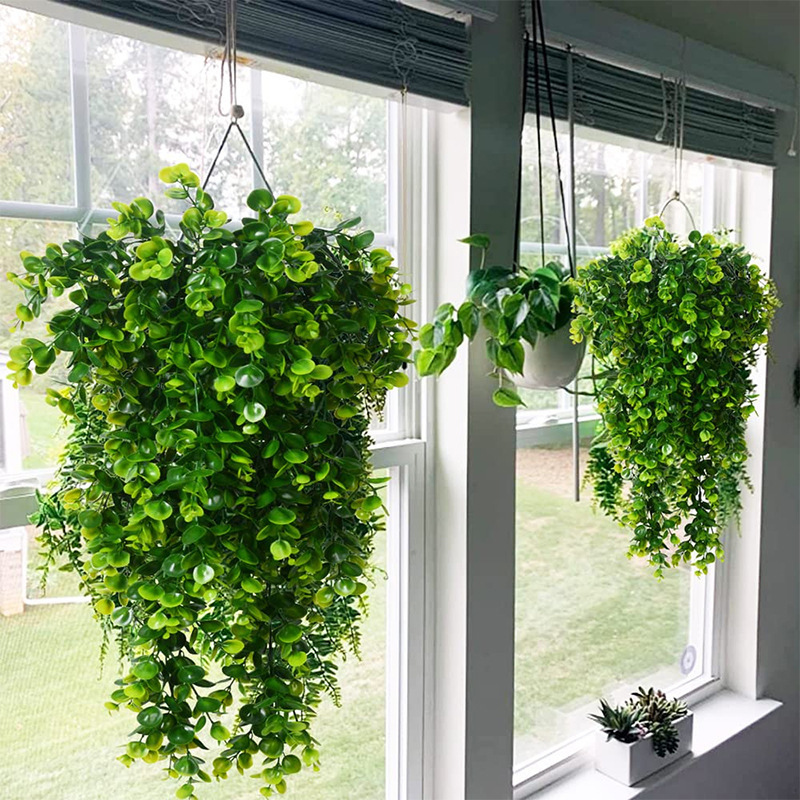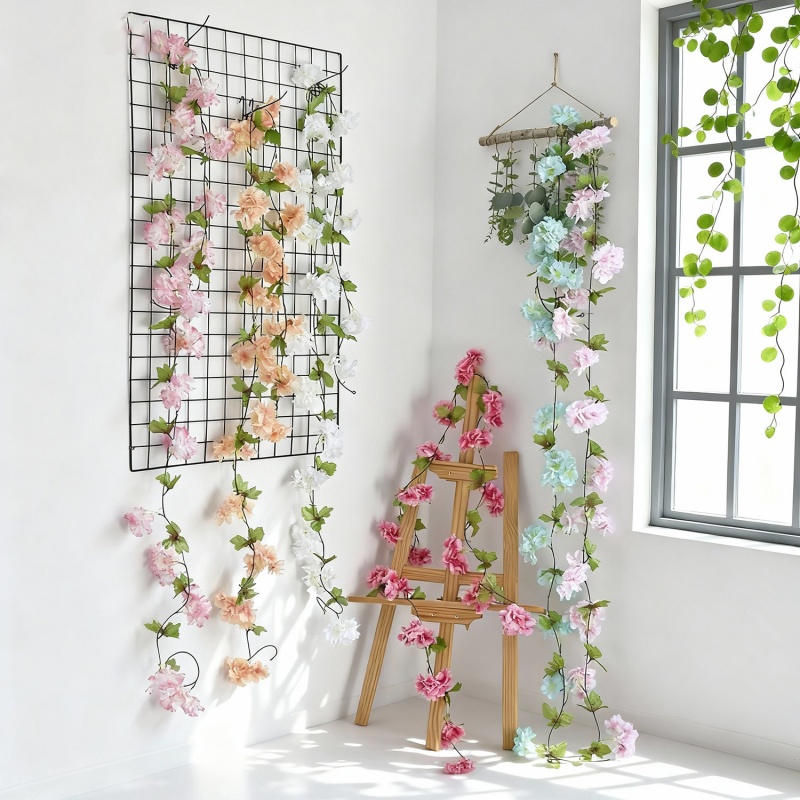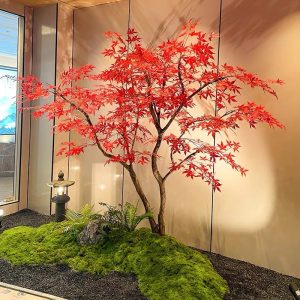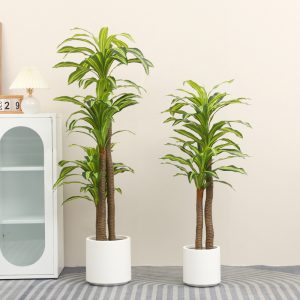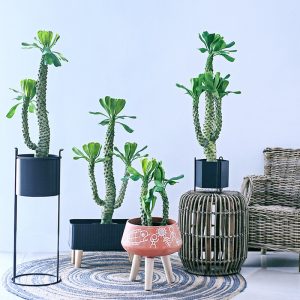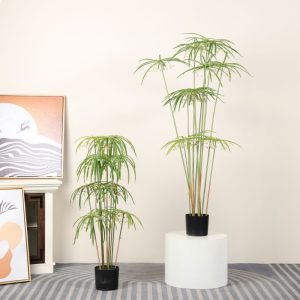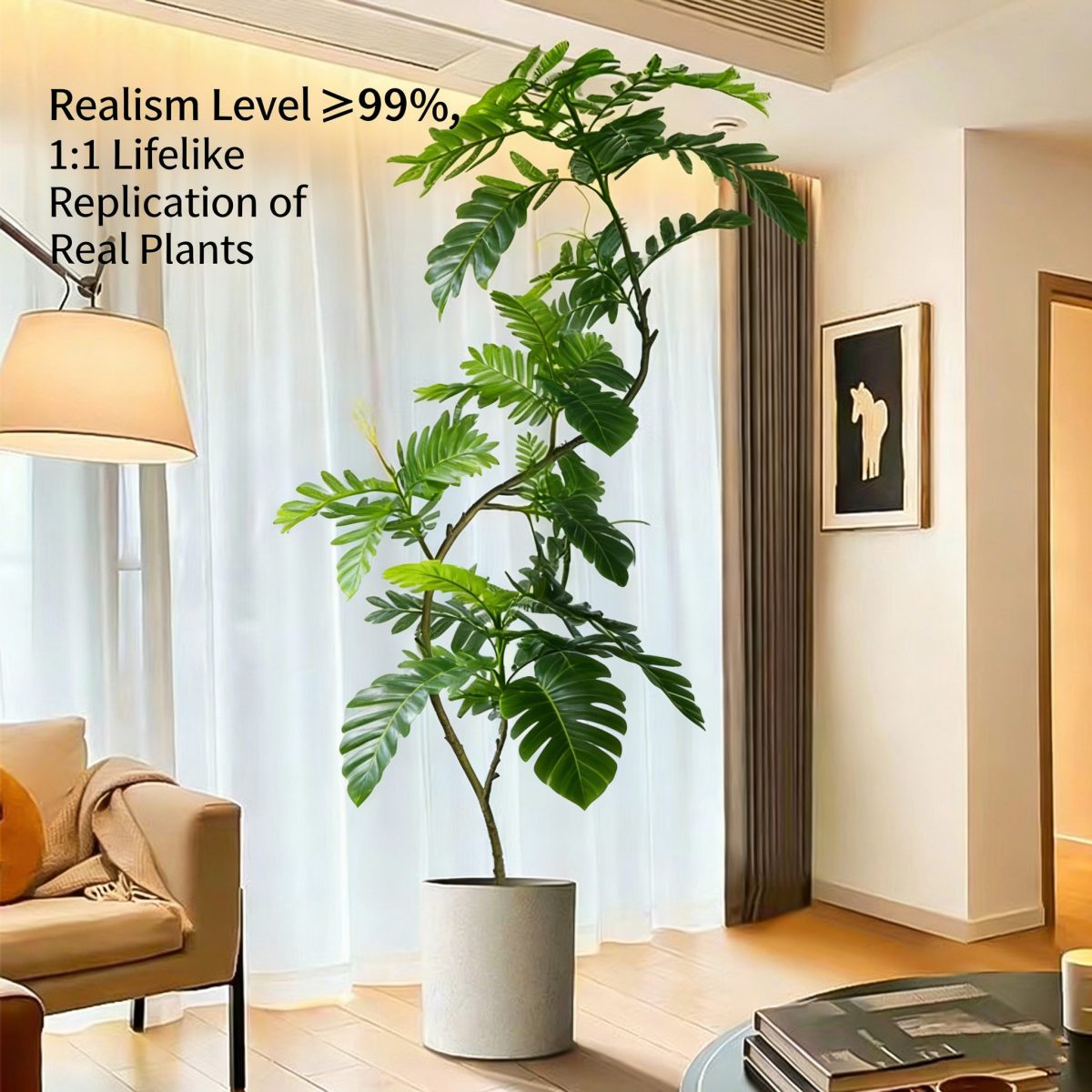
Maintaining greenery in outdoor commercial spaces has always been a challenge, especially in regions with extreme weather conditions. Real trees often wither or die due to harsh winters, prolonged droughts, or high maintenance costs. However, high-quality artificial trees—such as fir and pine trees—offer a sustainable, low-maintenance alternative to live trees. Their durability and resilience make them ideal for urban landscaping, especially in commercial spaces that require year-round greenery without the hassle of seasonal upkeep.
In this article, we will explore the growing demand for decorative artificial trees in commercial outdoor spaces and how they are transforming landscape design for businesses and municipalities.
The Growing Market for Artificial Trees
The global market for artificial trees and plants has been experiencing significant growth, particularly in Europe and North America. According to a recent Grand View Research report, the global artificial plants market was valued at $1.8 billion in 2024, with a projected compound annual growth rate (CAGR) of 5.5%. North America and Europe together account for more than 60% of the market share.
In the United States alone, the market is expected to grow at a CAGR of 7.3% from 2023 to 2030, reaching a size of US$ 203,803.4 million by 2030. This growth is driven by the increasing demand for low-maintenance greenery in commercial spaces, the challenges posed by extreme weather conditions, and the growing preference for year-round greenery in urban environments.(GRAND VIEWHORIZON)
The Benefits of Artificial Trees
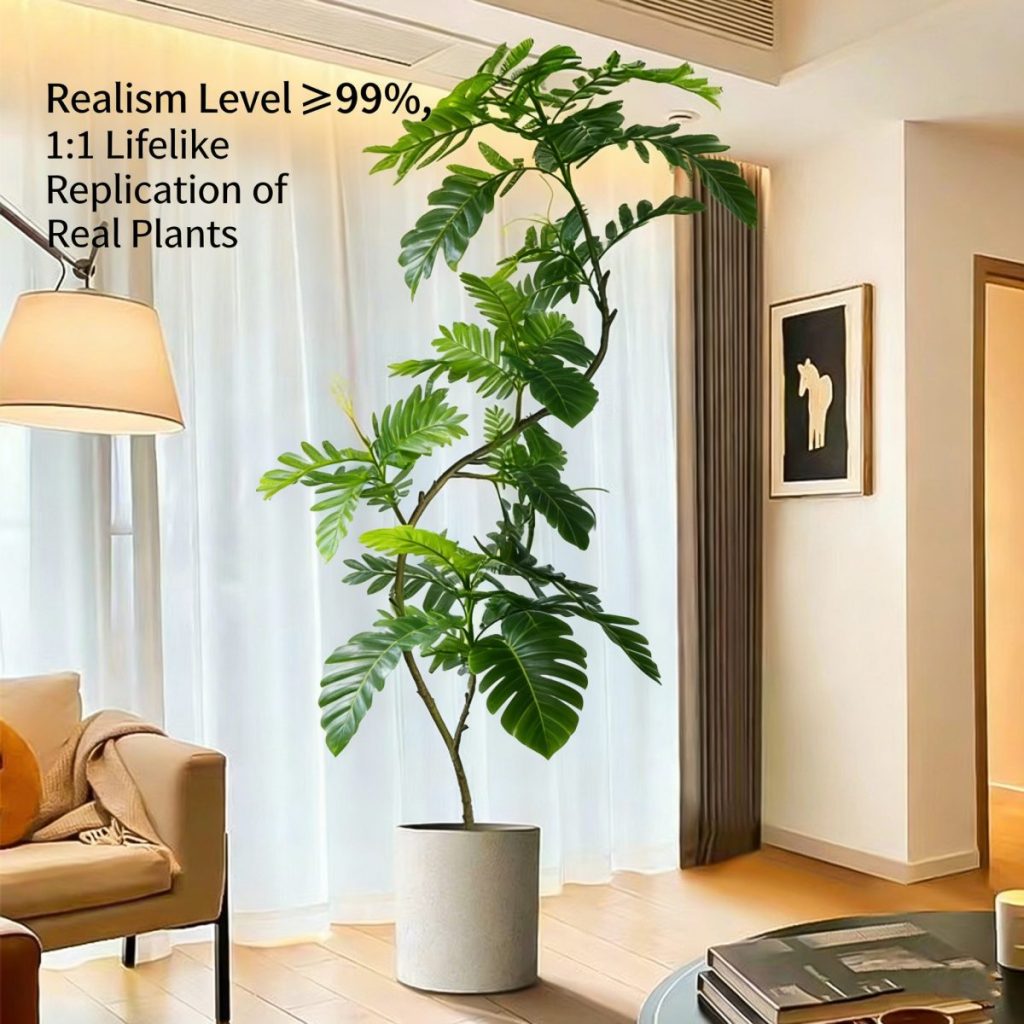
One of the primary benefits of artificial trees is their ability to overcome the challenges that real trees face in many commercial outdoor environments. Unlike live trees, artificial trees do not require water, soil, or fertilizers, and are not affected by seasonal changes. This makes them particularly useful in regions with harsh winters, prolonged droughts, or areas where maintenance costs are high.
For instance, a hotel manager in Switzerland shared how his hotel, located in the Alps, initially tried planting Mediterranean-style plants. However, the extreme cold temperatures during the winter caused the plants to die. After replacing them with high-quality artificial olive trees, the problem was resolved, saving the hotel thousands of dollars annually on maintenance.
Applications of Artificial Trees in Commercial Spaces
Artificial trees are being increasingly used in a variety of commercial spaces, including shopping malls, corporate parks, theme parks, public squares, and private gardens. These trees not only provide aesthetic appeal but also serve practical purposes, such as offering shade, privacy, and noise reduction, without the constant care required by live trees.
For example, Disney’s Animal Kingdom in Orlando, Florida, features highly realistic artificial trees that replicate African savannas and Asian jungles. These trees are specifically designed to withstand Florida’s intense sunlight and frequent rainfall, without the risk of pests or growth issues. To learn more about Disney’s landscaping innovations, check out Disney Fanatic here.

Materials and Craftsmanship: Evolution of Artificial Trees
The quality of artificial trees has significantly improved in recent years. Advances in manufacturing technology have made it possible to create highly realistic artificial trees using materials such as UV-resistant PE/PVC polymers and eco-friendly recycled materials. These materials are durable, corrosion-resistant, and fade-resistant, making them perfect for long-term outdoor use.
For example, in Yellowstone National Park, artificial pine trees have been installed to replicate the native lodgepole pines. These trees are designed with a steel core to resist heavy winds and snow, and their installation helps mitigate the risk of wildfires—a significant concern in fire-prone areas. For more information on Yellowstone’s conservation efforts, visit the National Park Service here.
Maintaining Artificial Trees
Another major advantage of artificial trees is their low-maintenance nature. Unlike real trees that require constant care and upkeep, artificial trees only need periodic cleaning. Typically, a simple wash with mild water pressure every few months is sufficient. For more stubborn stains, a damp cloth with mild detergent can be used.
To ensure their longevity, it is recommended to inspect the internal structure of artificial trees every 2-3 years. High-quality artificial trees can last for over 10 years in outdoor environments, making them a smart investment for businesses looking to minimize maintenance costs.
Future Trends in the Artificial Tree Industry
The artificial tree industry is undergoing significant innovation, particularly in the areas of sustainability and technology. An exciting example is the “Breathing Tree” showcased at Milan Design Week. This innovative tree mimics the appearance of a real tree and uses a special catalytic coating that simulates photosynthesis, helping to reduce nitrogen oxide levels in the surrounding air.
As environmental regulations become more stringent and ESG (Environmental, Social, and Governance) investments rise, manufacturers are focusing more on using recyclable materials and low-carbon production processes. The future of artificial trees looks bright, especially as cities embrace sustainability.
Conclusion
Artificial trees have evolved from simple decorative elements to essential components of sustainable, low-maintenance landscapes in urban commercial spaces. From iconic landmarks such as New York’s Rockefeller Center to Paris’ Galeries Lafayette, artificial trees stand resilient year-round, unaffected by extreme weather conditions, and continue to redefine the green aesthetic of modern cities.
With advancements in technology and growing environmental awareness, artificial trees are positioned to remain at the forefront of urban landscaping solutions, offering a practical and eco-friendly alternative to real trees.