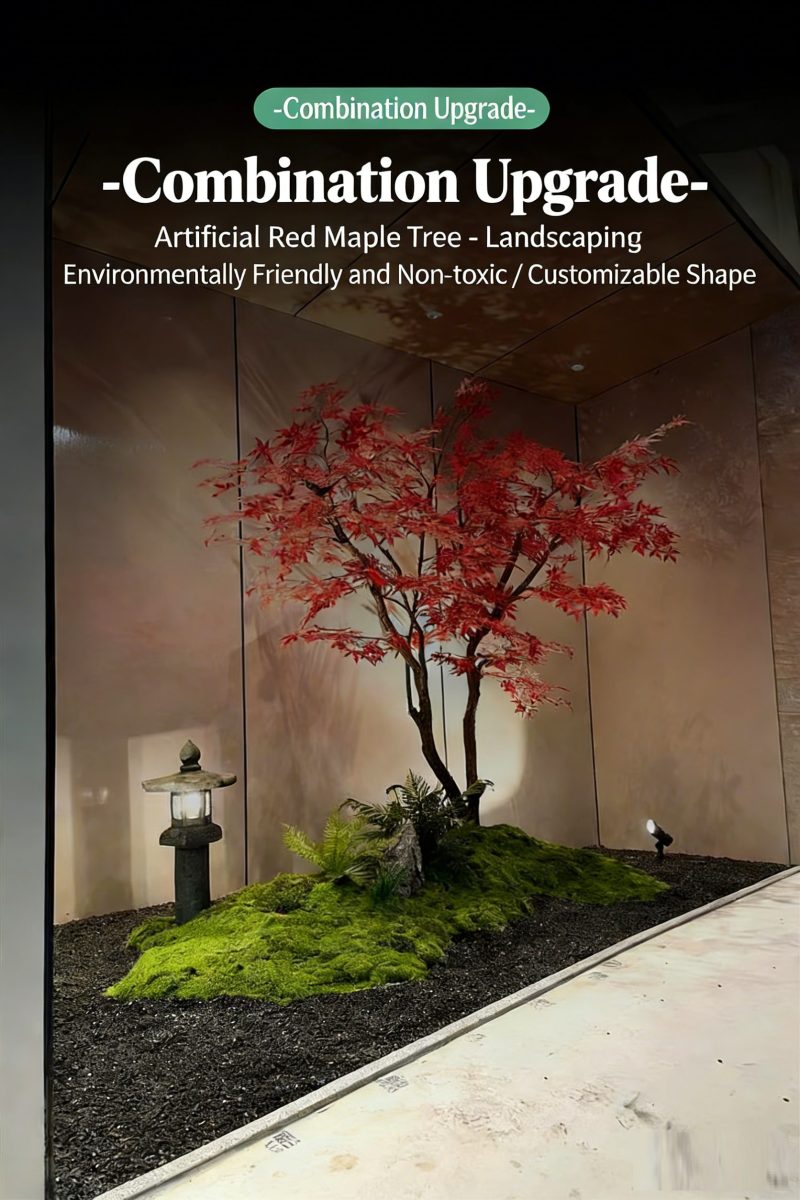
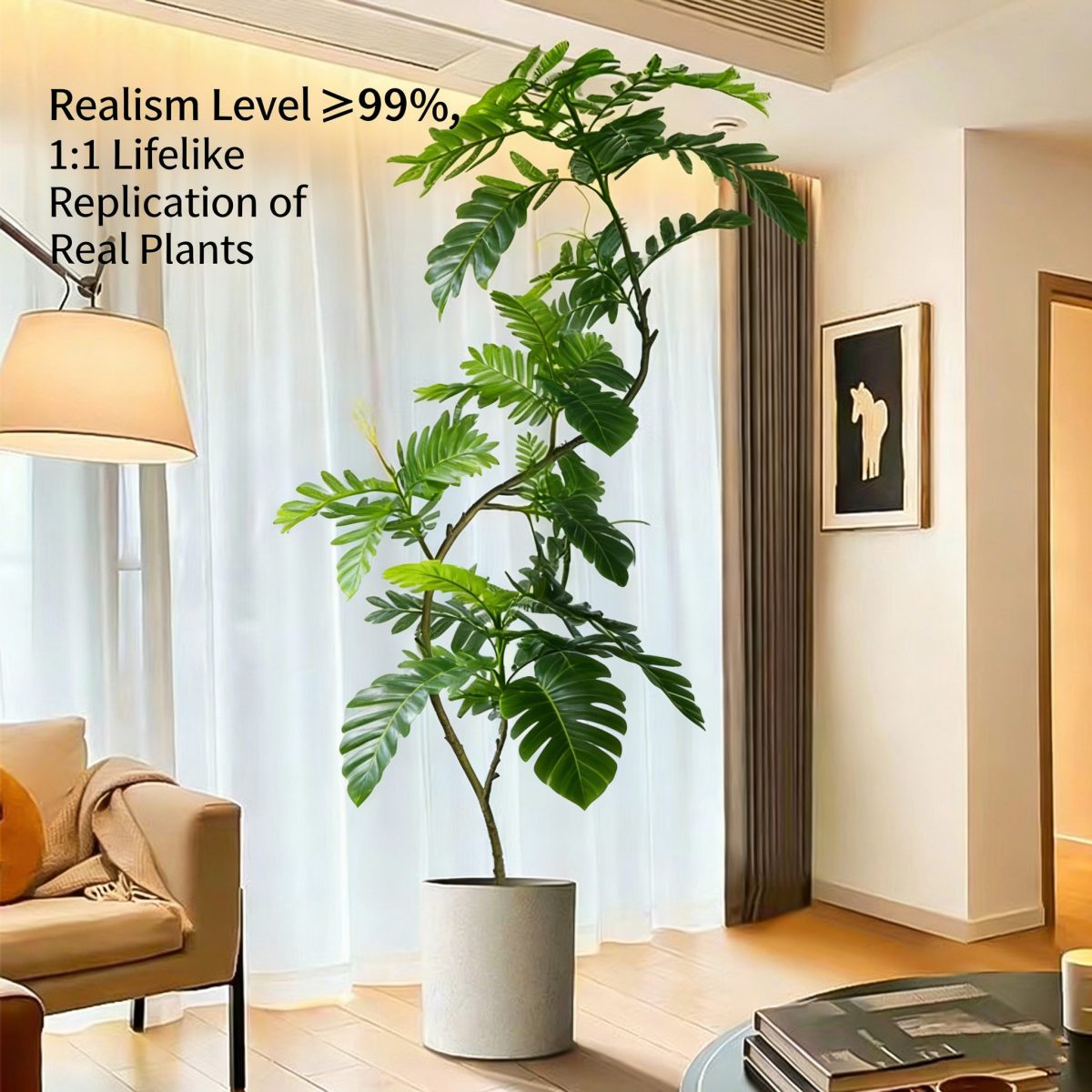
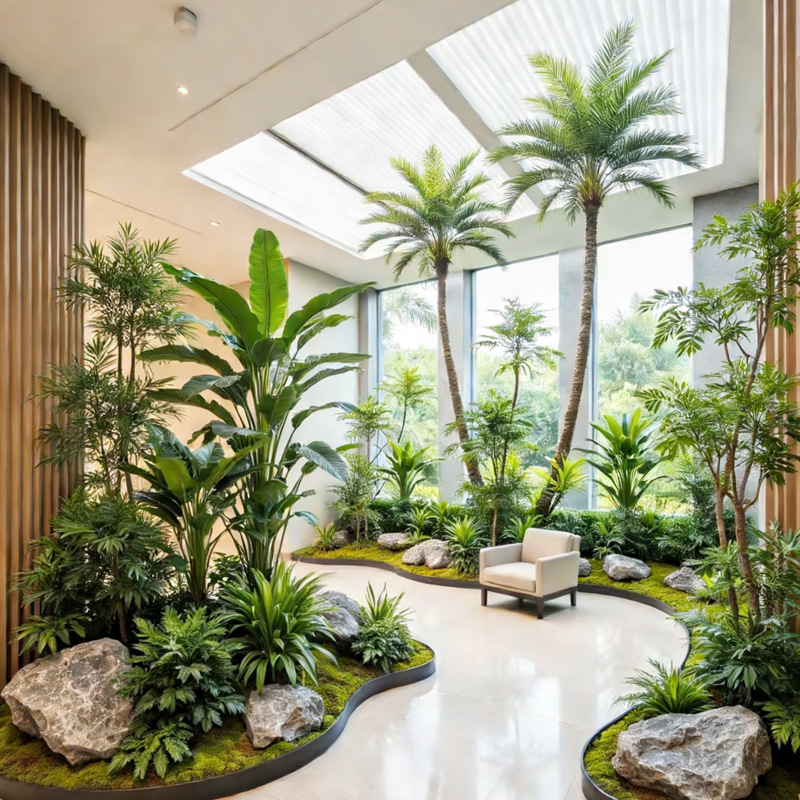
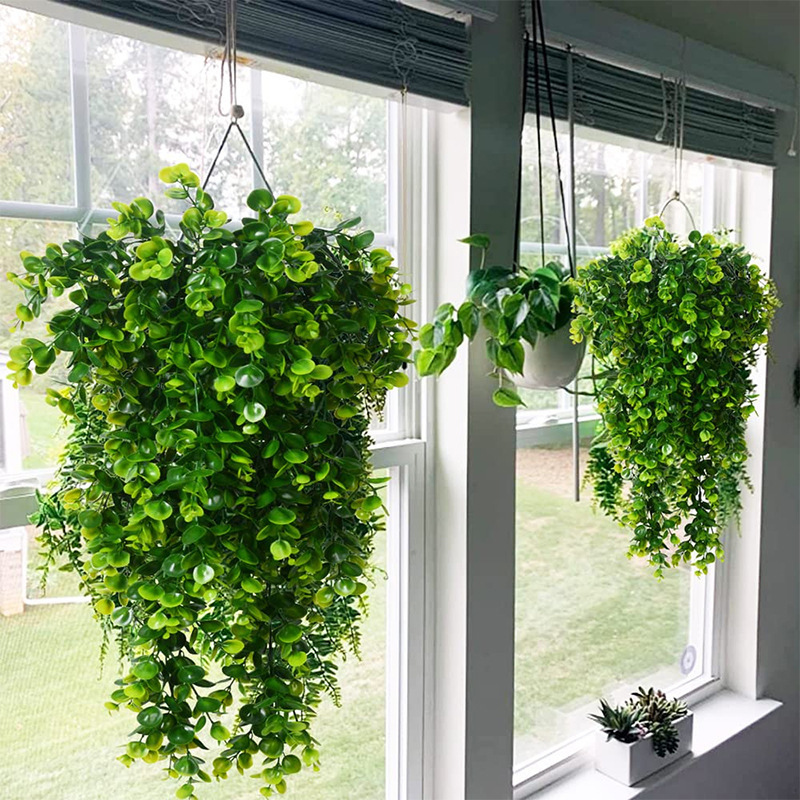
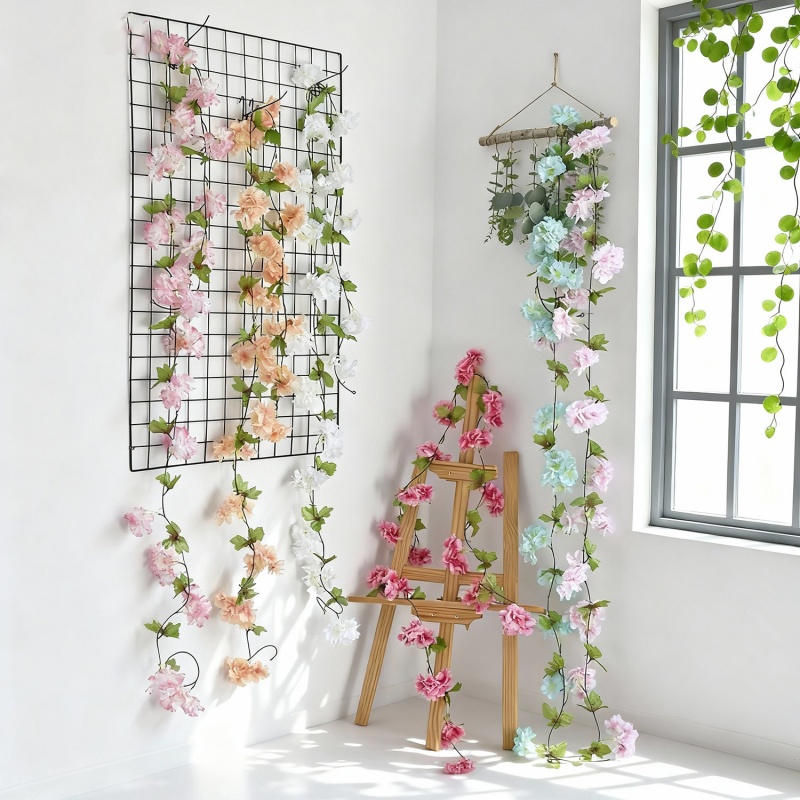
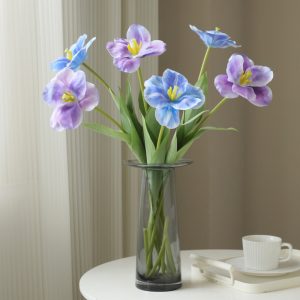
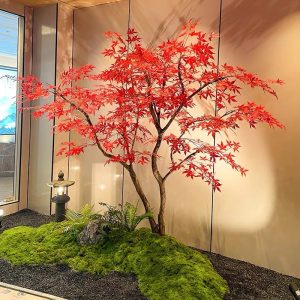
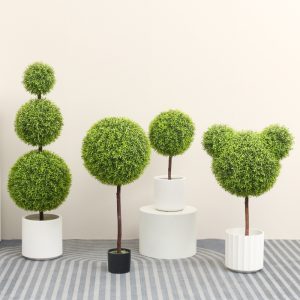
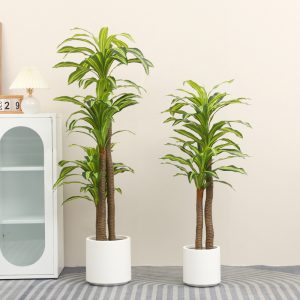
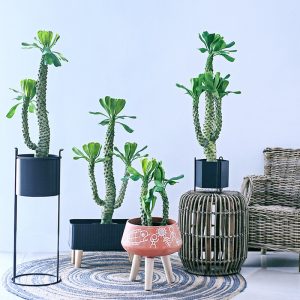
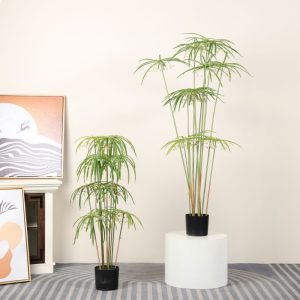
Advances in silk, polyester blends, and PU foam botanical materials have transformed the artificial floral décor industry. Today’s faux flowers closely replicate real blooms with detailed textures, layered petals, and vibrant colors, allowing retailers to create striking, long-lasting displays without the frequent maintenance required for fresh flowers.
Market Insights
The global artificial flowers market was valued at US$3.09 billion in 2024 and is projected to reach US$4.49 billion by 2030, growing at a 6.7% CAGR (Grand View Research, 2024). Polyester-based products account for over 33% of material demand, while commercial applications — including retail stores, hotels, offices, and event spaces — make up more than 58% of total usage .
Example: In 2025, a Los Angeles boutique reported a 28% reduction in annual floral maintenance costs and a 12% increase in customer dwell time after switching to faux floral décor .

Cost Efficiency and Sustainability
Replacing fresh flowers with premium artificial arrangements significantly reduces operational costs:
- Fresh flowers require weekly replacement, watering, trimming, and disposal.
- Faux flowers maintain their shape, color, and appeal for years without intensive care.
Sustainability Benefits: Artificial flowers lower water consumption, minimize waste, and reduce transportation emissions, contributing to eco-friendly retail practices.
Flexible Brand Expression
Artificial floral décor enables retailers to adapt displays for brand identity and seasonal campaigns:
- Luxury boutiques: Silk roses or orchids create an elegant ambience.
- Youth-oriented stores: Bold, vibrant blooms attract younger shoppers and encourage social media engagement .
- Seasonal promotions: Modular or reusable arrangements allow cost-effective updates across multiple store locations.
This ensures a consistent brand identity while tailoring displays for marketing events or seasonal themes.
Enhancing Customer Engagement
Immersive floral installations — including feature walls, hanging arrangements, and curated floral corners — serve as visual anchors to attract attention and encourage store exploration.
- Social media impact: 64% of shoppers are more likely to visit stores with Instagram-worthy setups .
- Sales influence: Eye-catching floral installations increase dwell time and positively impact purchasing behavior.
Implementation Guidelines
Material Selection:
- Silk or high-grade polyester: Best for low-traffic or luxury areas.
- PU-blend or reinforced polyester: Ideal for high-traffic zones.
Color Strategy:
- Bold blooms for neutral interiors.
- Softer tones to complement colorful spaces.
Scale & Layout:
- Large stores: floral walls or ceiling installations.
- Small boutiques: tabletop arrangements or accent displays.
Maintenance Tips:
- Light dusting or gentle air-blow.
- Apply UV-protective sprays for sun-exposed areas.
Strategic Advantages for Retailers
- Cohesive visual identity across multiple stores
- Reduced maintenance costs versus fresh flowers
- Flexible seasonal and promotional display options
- Enhanced store ambiance and customer experience
- Alignment with sustainability and operational efficiency