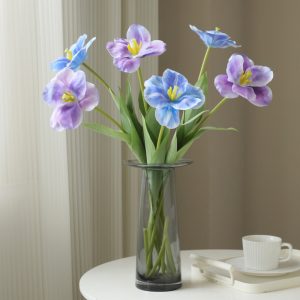
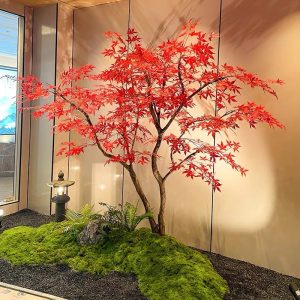
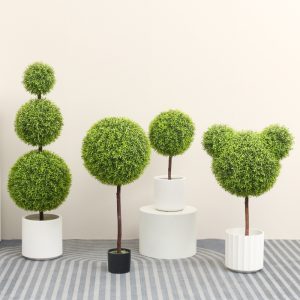
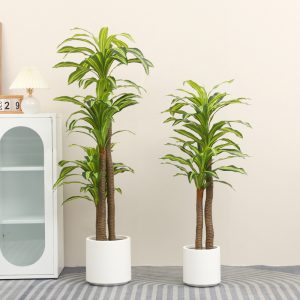
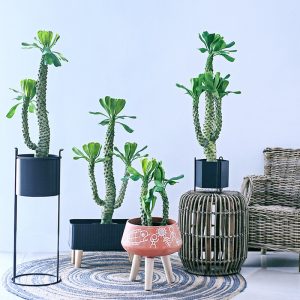
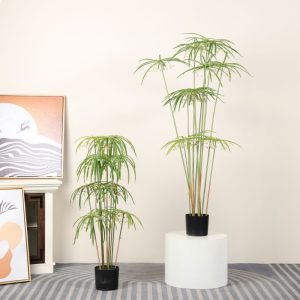
In the luxury hotel industry, artificial plants have evolved from being temporary substitutes for real plants to becoming long-term, strategic investments. According to a Future Market Insights report, the global artificial plants market is expected to grow from $3.1 billion in 2024 to $5.37 billion by 2034, with a compound annual growth rate (CAGR) of 5.5%. This growing trend reflects the increasing importance of artificial plants in commercial spaces like hotels, where they offer both aesthetic appeal and operational efficiency.
Cost Savings and Environmental Benefits
While the initial cost of artificial plants may seem higher than that of fresh flowers, the long-term savings are substantial. Fresh flowers require frequent replacement—sometimes on a weekly basis—while high-quality artificial plants can last from 5 to 8 years with minimal maintenance. A hotel manager once shared that maintaining a single floral arrangement in the lobby could cost thousands annually. In contrast, a well-maintained artificial plant requires only occasional cleaning, making it a far more cost-effective solution for hotel management.(DESIGNER PLANTS)
Moreover, artificial plants offer considerable environmental benefits compared to fresh flowers. The flower industry is resource-intensive, relying heavily on water, pesticides, and fertilizers, and contributing to a significant carbon footprint due to transportation. According to Statista, artificial plants require no water, fertilizers, or pesticides and generate minimal waste, making them a more sustainable option for hotels looking to reduce their environmental impact.
Selecting the Right Artificial Plants for Hotel Design
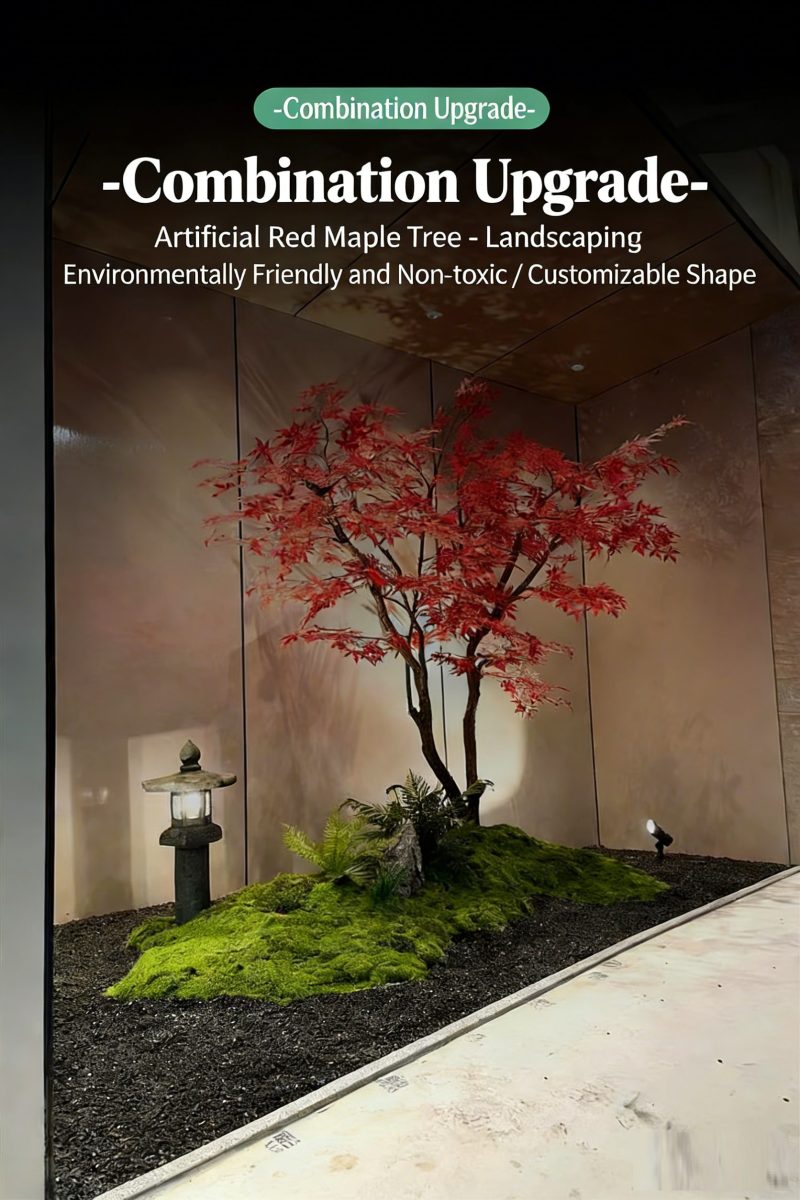
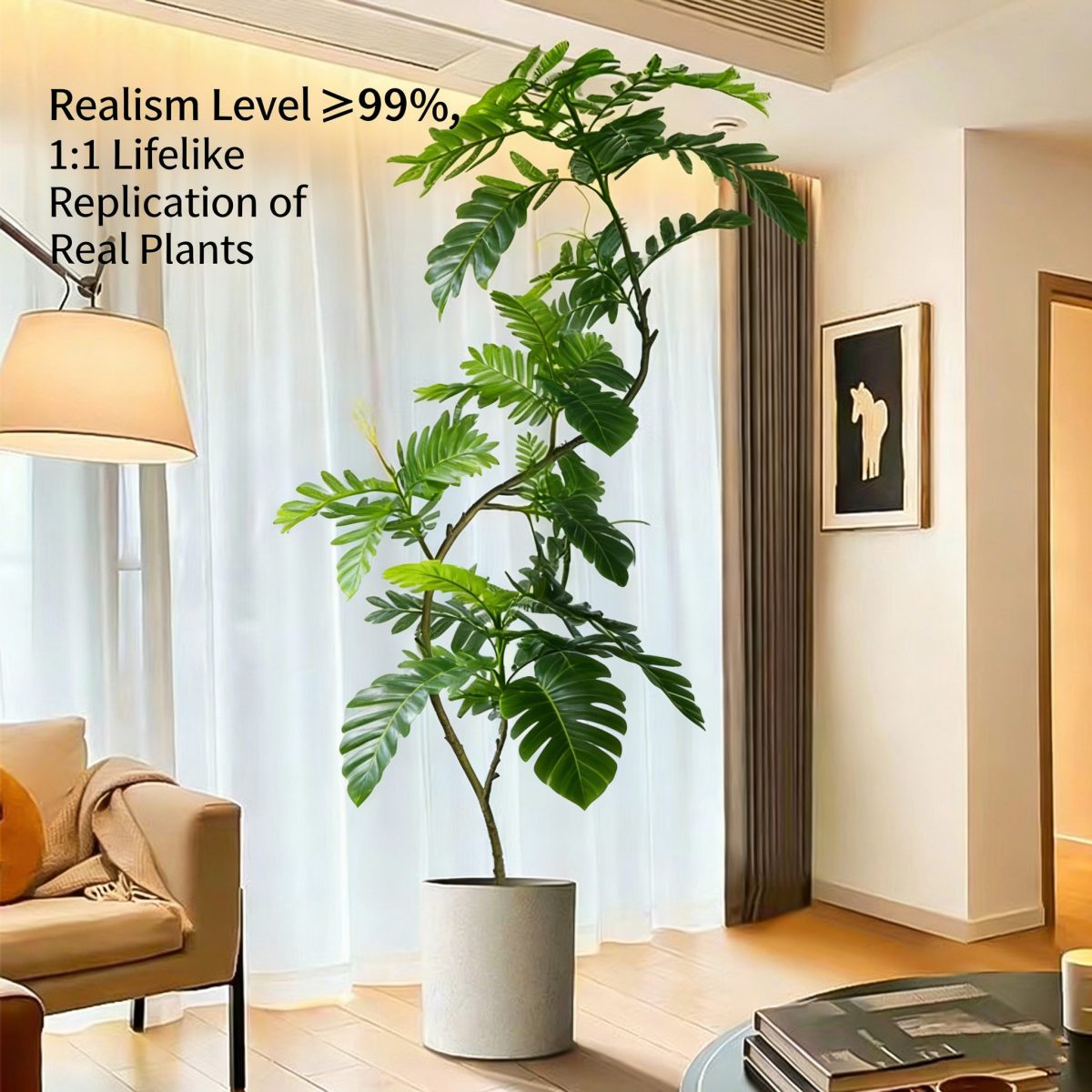
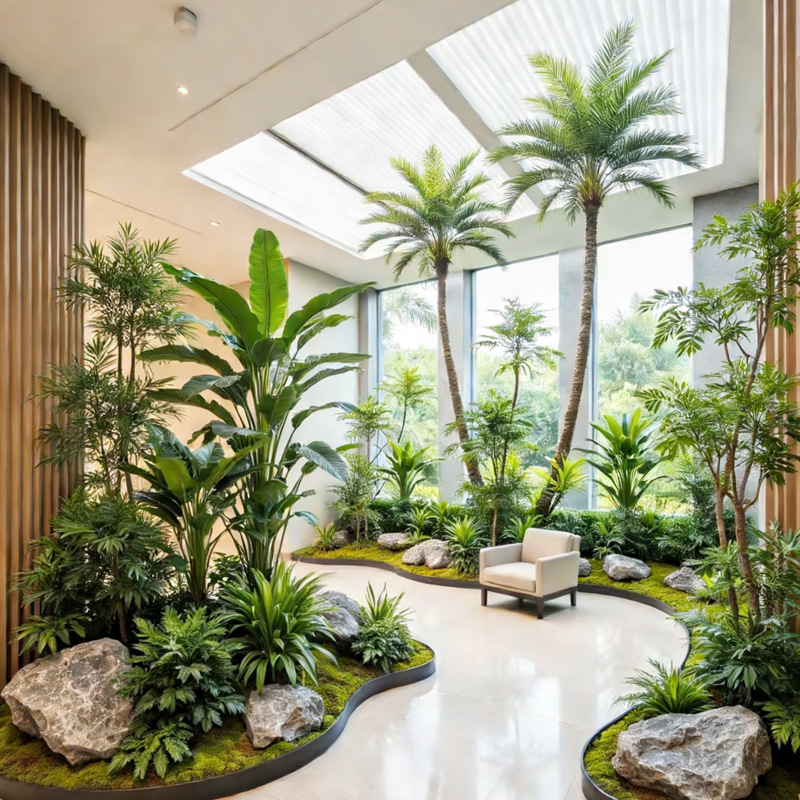
When choosing artificial plants for hotels, the goal is not just to select the most realistic option but to enhance the overall design of the space. For large hotel lobbies or expansive hallways, large artificial trees like olive trees provide sophistication and elegance. Their textured trunks and realistic leaves convey stability and timeless beauty. Personally, I find that artificial olive trees strike the perfect balance between tradition and modernity, making them an ideal choice for hotel interiors.
For a tropical resort ambiance, consider plants like bird-of-paradise, king protea, or monstera. These plants can transform any space into an exotic and inviting environment. I once stayed at a coastal resort where artificial palms and ferns turned a simple lounge into a vibrant “rainforest” retreat, quickly becoming a guest favorite and a popular spot for social media photos. However, it’s essential to maintain balance when using tropical plants; too many can easily overwhelm the space.
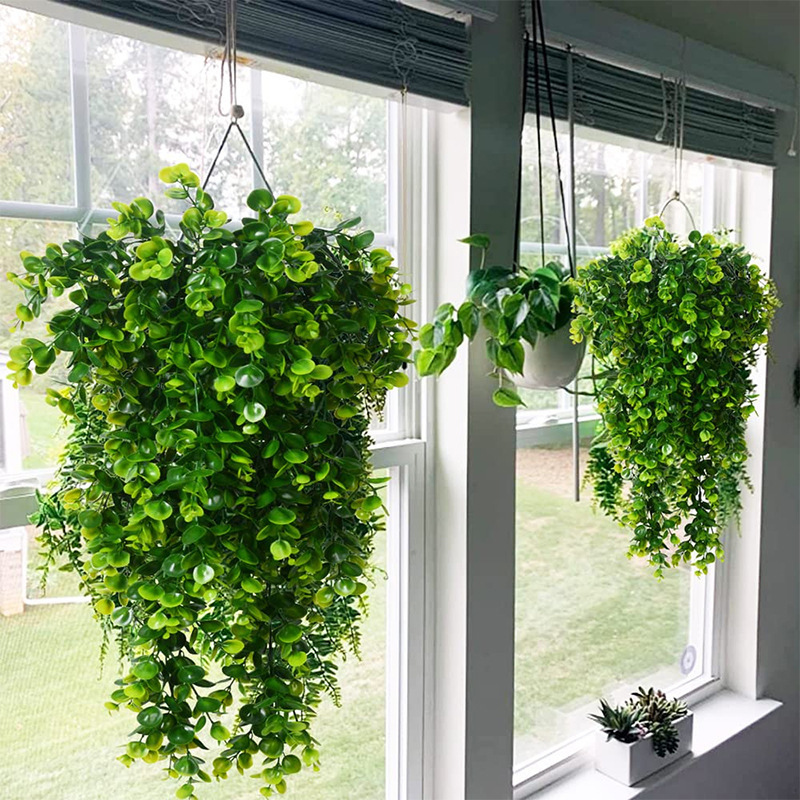
Another growing trend in hotel design is the use of vertical gardens and custom art installations. These living walls are more than just decorative pieces; they are statement elements that enhance both the acoustics and aesthetics of a room. For example, an artificial moss wall not only adds a lush, green texture to any space but also improves sound quality. Pairing these installations with creative lighting and structural design can turn them into signature elements that define a hotel’s identity.
Environmental Sustainability and ESG Benefits of Artificial Plants
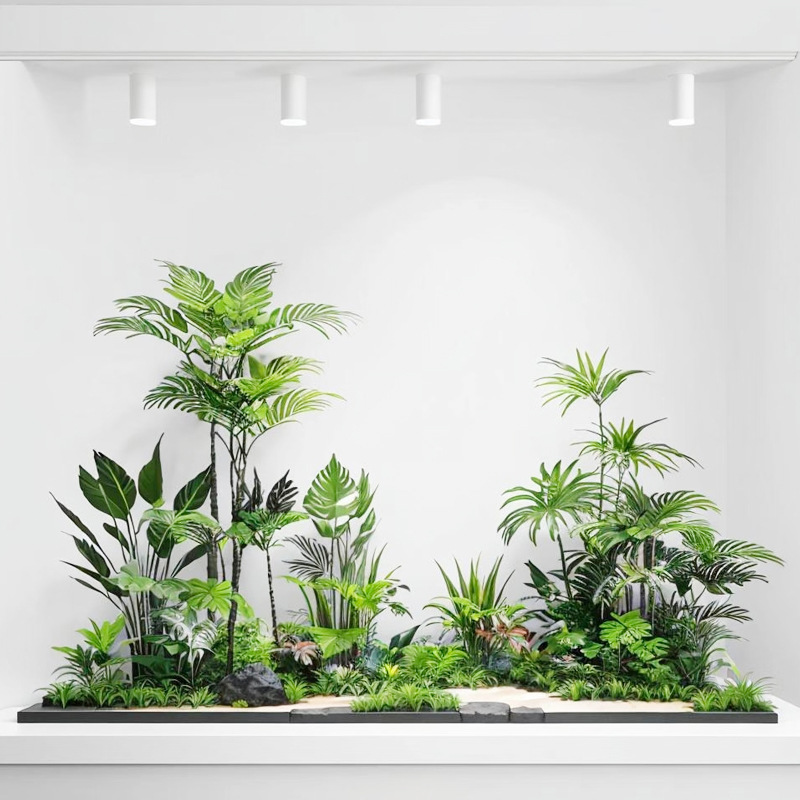
Sustainability is increasingly important in the hospitality industry, and artificial plants provide a solution that aligns with environmental, social, and governance (ESG) goals. The fresh flower industry consumes vast amounts of water and other resources, leading to significant environmental degradation. Artificial plants, however, require no water, pesticides, or fertilizers, making them a more sustainable option.
According to the Green Building Council, artificial plants play a vital role in reducing water usage and waste in commercial spaces, aligning with the growing demand for environmentally responsible business practices. By incorporating artificial plants into hotel designs, hotels can contribute to their sustainability goals without sacrificing aesthetic quality.(VISTAFOLIA)
As eco-conscious consumers increasingly prioritize sustainability, using artificial plants is an effective way for hotels to demonstrate their commitment to environmental stewardship, enhancing their brand image in the process.
Selecting the Right Supplier: Quality, Safety, and Reliability
Choosing the right supplier for artificial plants is essential to ensuring that the plants meet the aesthetic, safety, and durability standards required in a hotel setting. Here are key considerations when selecting a supplier:
- Texture and Realism: Always request physical samples to assess the texture, color variations, and overall appearance of the plants. High-quality artificial plants should closely resemble real plants, with slight imperfections that enhance their realism.
- Fire Safety: In public spaces such as hotels, fire safety is paramount. Ensure that your supplier offers fire-retardant certifications, such as UL or EN standards, to guarantee that the plants meet safety regulations.
- Scale and Installation: The plants should be appropriately scaled for the space. For larger installations, ensure that the plants are securely mounted and that the installation is evaluated for safety by engineers.
- Maintenance: While artificial plants require minimal care, they still need regular cleaning to maintain their appearance. Establish a maintenance schedule with your supplier to ensure the plants remain pristine year-round.
Long-Term Care for Artificial Plants: Keeping Them Fresh and Beautiful
To ensure your artificial plants stay vibrant and lifelike, follow these essential maintenance tips:
- Regular Dusting: Use a soft brush or cold-air blower to remove dust from the plants weekly. High-traffic areas may require more frequent cleaning.
- Deep Cleaning: Every six months, clean the plants with a mild detergent and a soft cloth. Rinse thoroughly and allow the plants to dry immediately to avoid water accumulation.
- Annual Inspections: Like other hotel assets, artificial plants should undergo an annual inspection to check for any signs of wear, fading, or the need for adjustments.
Conclusion: Artificial Plants as a Smart Investment for Hotels
Artificial plants have transitioned from being a temporary fix to becoming a strategic long-term investment for hotels. They offer long-term cost savings, enhance the aesthetic appeal of spaces, and contribute to environmental sustainability. By selecting the right plants, suppliers, and maintenance strategies, hotels can significantly improve their design while achieving operational efficiency and maintaining a commitment to sustainability.
As demand for sustainable, low-maintenance, and aesthetically pleasing spaces increases, artificial plants will continue to play a critical role in the future of hotel design. Hotel lobbies are likely to combine both real and artificial plants to create timeless, beautiful, and eco-friendly environments.